
Choosing MBA electives is one of the few times in your program when you control what you learn, and the right choices can shape your first job after graduation. In Vancouver, UBC Sauder organizes electives around five career tracks (Climate, Finance, Product & Service Management, Technology & Analytics Leadership, Innovation & Entrepreneurship) plus a custom option; SFU Beedie offers electives across its Full-Time and Flexible MBAs and exclusive technology courses in its MOT MBA; and UCW’s MBA offers elective focus areas such as business analytics, marketing, finance, leadership, consulting, HR, operations, project management and entrepreneurship. This guide gives a simple framework for choosing electives and shows how to use our professor profiles to pick courses and instructors.
Last updated: November 18, 2026. Elective offerings change every term; check your school’s course calendar and registration system.
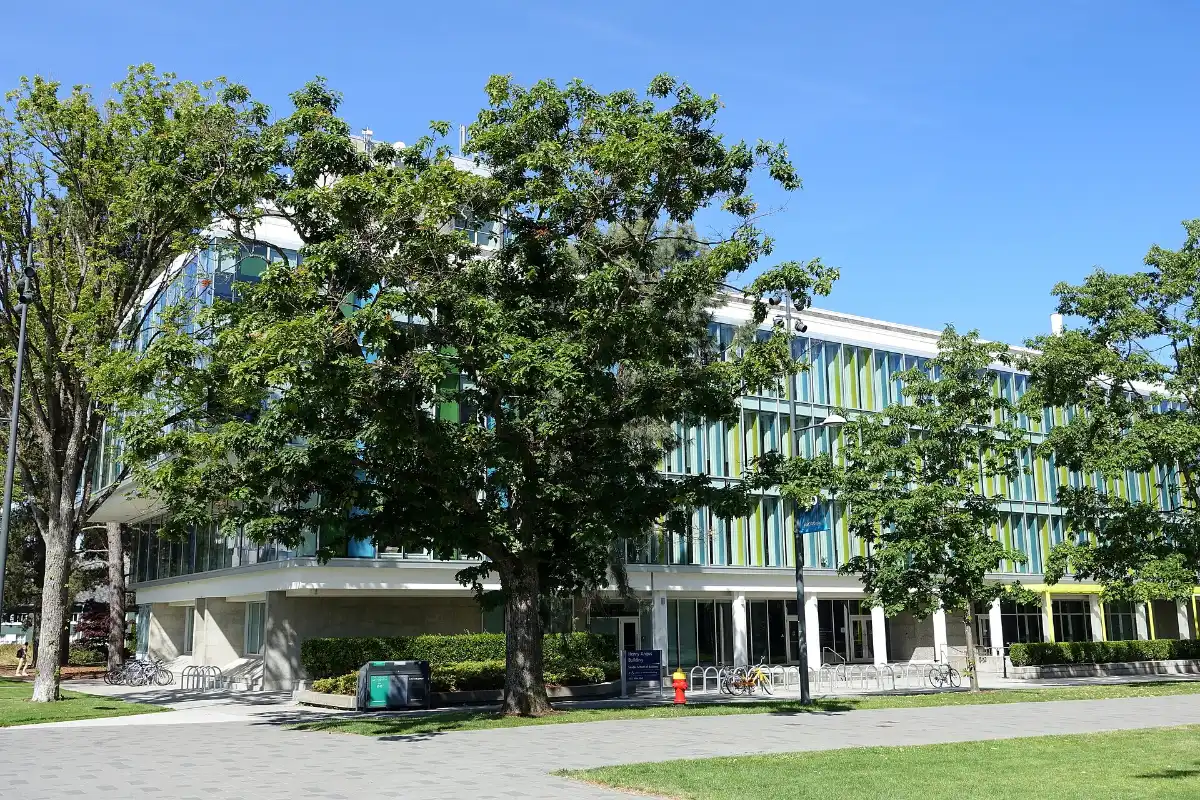
Elective structures by school
| School | How electives work |
|---|---|
| UBC Sauder | Career tracks group electives by career goal; you can also build a custom track |
| SFU Beedie | Electives after the core in Full-Time and Flexible MBAs; MOT MBA students take exclusive technology management courses |
| UCW | A general MBA with elective focus areas, or a formal specialization (AI and Machine Learning Leadership, Supply Chain Management, Business Analytics, Entrepreneurship) |
See MBA specializations in Vancouver.
A four-question framework
- What job do I want first? Read 10 Vancouver job postings for it and list the skills they ask for.
- Which skills am I missing? Choose electives that close those gaps (for example financial modelling, SQL, product management).
- Which electives include real projects? Applied projects give you resume material and employer contact.
- Who teaches it? An instructor with industry connections in your target field can open doors.
Using our professor profiles
Vancouver.MBA has detailed profiles of MBA faculty at UBC Sauder, SFU Beedie and UCW, including their research areas and courses. Use them to:
- Find instructors who work in your target industry or research area.
- Prepare questions before office hours.
- Identify potential mentors or references.
Browse all MBA professor profiles.
Popular elective combinations by career goal
| Goal | Elective areas to prioritize |
|---|---|
| Product management | Product management, marketing analytics, technology strategy, data analytics |
| Consulting | Strategy, operations, change management, negotiations |
| Finance | Valuation, corporate finance, investment management, risk |
| Sustainability | Climate economy, impact investing, sustainable supply chains |
| Entrepreneurship | New venture creation, entrepreneurial finance, innovation |
| Operations and supply chain | Supply chain management, project management, analytics |
Practical tips
- Register early: popular electives fill quickly.
- Balance workload: avoid stacking several project-heavy courses in one term with recruiting.
- Ask second-year students and alumni about course workload and value.
- Check AI and assessment rules in each syllabus. See AI policies.
- Use electives to prepare for certifications. See MBA certifications.
Frequently asked questions
How many electives do MBA students take?
It varies by program; most students take several after completing the core. Check your program’s requirements.
Should I choose a specialization or general electives?
A specialization signals focus to employers; general electives keep options open. Choose based on how clear your career goal is.
Can I take electives from other UBC or SFU faculties?
Some programs allow it with approval. Ask your program office.
Vancouver.MBA is an independent guide and is not affiliated with any school. Spotted an error? Contact us.
